Why E-Bikes Are Changing the Game for Older Riders
An e-bike isn't about taking the work out of cycling — it's about making cycling accessible again. You've probably heard the term thrown around, but what does it really mean for someone in their 60s, 70s, or beyond? The motor provides pedal-assist, meaning you're still doing the work, but it's making those hills less daunting and longer distances genuinely enjoyable.
Here's what makes a difference: most retirees I've worked with initially think they need a full-suspension mountain bike or something overly complicated. They don't. What actually matters is comfort, reliability, and a motor that feels natural when you're pedaling. That's it.
The real advantage? You'll ride farther without exhaustion, tackle the Waterford Greenway's gentle slopes with ease, and get back to enjoying time outdoors instead of worrying whether your knees can handle it.
Motor Power: Not Everything You Think It Is
You'll see e-bikes advertised with 250W, 500W, even 750W motors. Don't get caught up in the numbers game. For casual riding on greenways and flat routes, 250W is more than enough. That's the legal limit across Europe anyway, and it'll get you up gradual hills without struggling.
What matters more than raw wattage is how the motor feels when you're riding. Some motors deliver power smoothly and gradually — you barely notice you're being assisted. Others jolt you forward suddenly. The smooth ones? That's what you want. Test ride different models. Feel how the motor engages when you start pedaling. Does it feel natural, or does it feel like the bike's doing something separate from you?
Battery range is another consideration. Most quality e-bikes give you 30-50 miles per charge. If you're doing a day trip on the Great Western Greenway, you'll want something closer to 40-50 miles. But honestly, we're talking maybe 2-3 hours of actual riding for most people.
Comfort Is Non-Negotiable
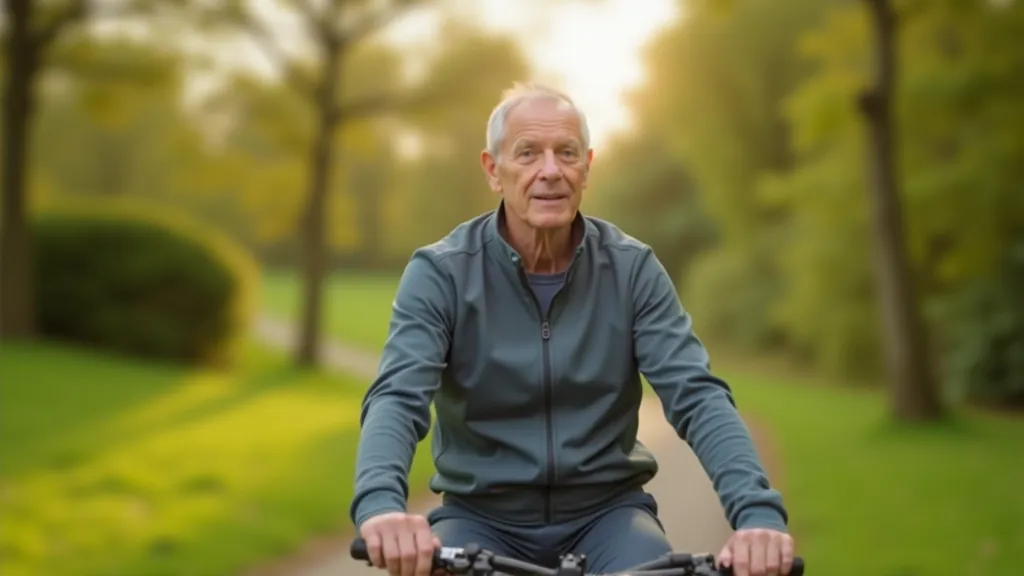
This is where people often compromise and regret it. An upright riding position matters. You're not leaning forward into drop bars — you're sitting back with your hands on comfortable grips. Your back should feel supported, not strained.
The saddle is critical too. A wider, padded seat designed for upright riding makes a 2-hour trip pleasant instead of painful. Don't settle for the thin saddle that comes stock — invest in an upgrade if needed. Your backside will thank you.
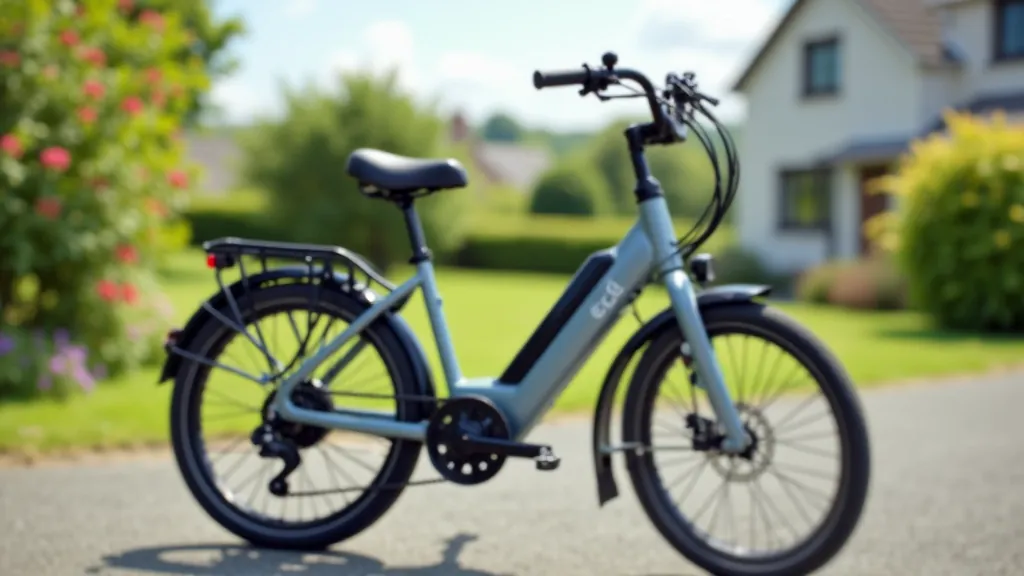
Frame height matters. You should be able to touch the ground comfortably with one foot when seated. Mounting and dismounting shouldn't require gymnastics. Step-through frames (where the top tube is lower) are brilliant for this — easier to get on and off, especially if you've got knee concerns.
What To Look For:
- Upright geometry, not racing position
- Padded, wide saddle (150mm+ width)
- Step-through or low-step frame design
- Ergonomic grips that don't twist wrists
Weight and Handling: Practical Concerns
E-bikes are heavier than regular bikes — usually 40-60 pounds. That's the battery and motor adding bulk. You won't notice this while riding because the motor assists with acceleration. But lifting it into a car boot, carrying it down stairs, or pushing it when the battery dies? You'll feel it.
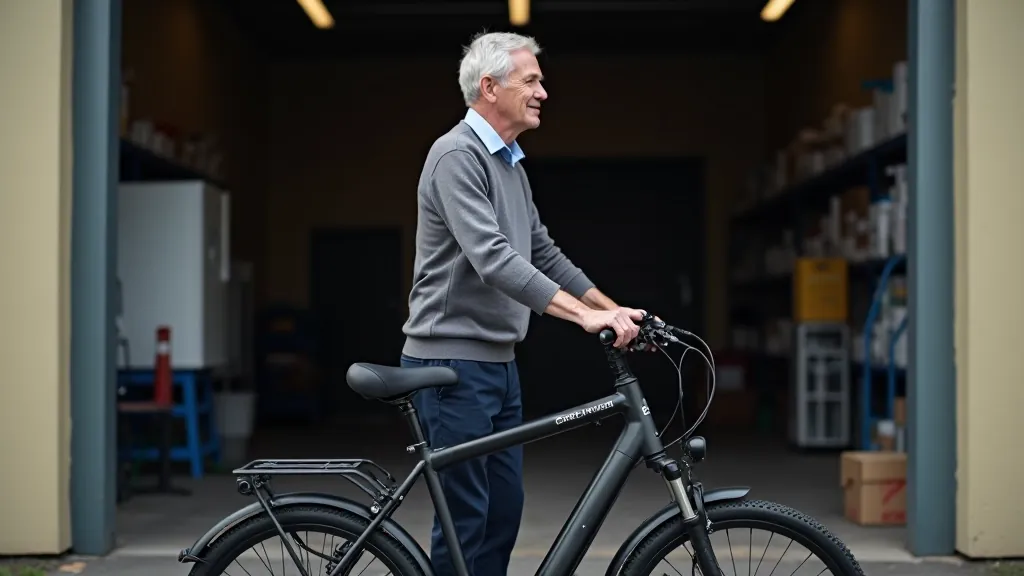
Test the bike's balance when standing over it. Can you hold it steady with one hand? Does it feel stable when you're walking it, or does it want to tip sideways? A well-designed e-bike should feel manageable despite the extra weight. Aluminum frames help keep things lighter than steel.
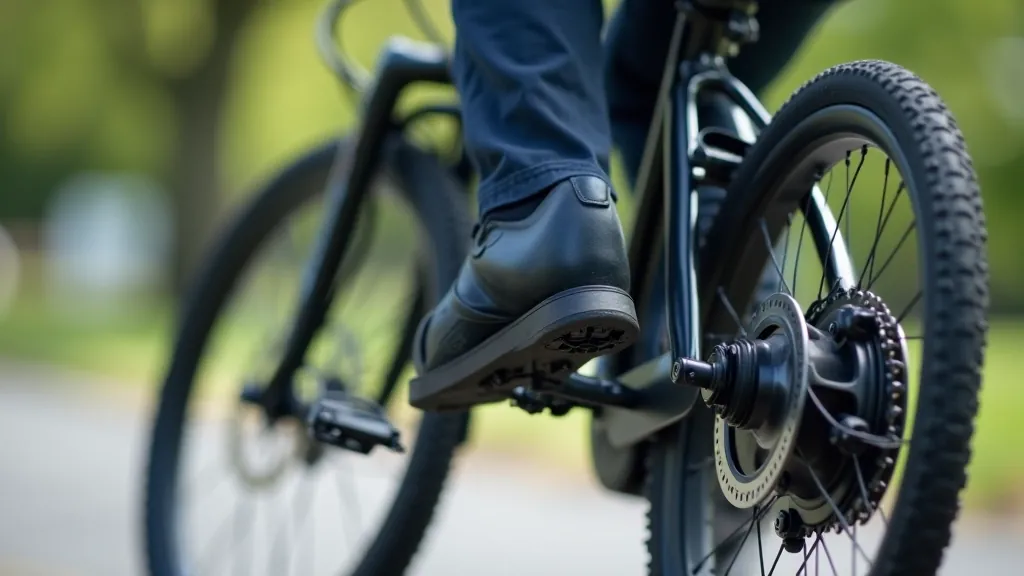
Braking power is crucial too. You need hydraulic disc brakes — they're more reliable and require less hand strength than rim brakes. This isn't about looking fancy. It's about stopping safely and confidently when you need to.
Real-World Practicalities
Battery charging takes 3-6 hours depending on the model. You'll want to keep it charged, especially if you're planning regular rides. Most people charge overnight, no problem. Cold weather reduces range by about 20-30%, so if you're riding in winter, factor that in.
Maintenance is straightforward if you're comfortable with basic bike care. Chain lubrication, tire pressure checks, brake adjustments — same as any bike. The motor itself rarely needs attention. Just don't leave the battery in extreme heat or cold for extended periods.
Consider what you'll actually use the bike for. Local greenway rides? A regular commute? Weekend adventures? That'll determine whether you need a compact folding model, a sturdy road-style e-bike, or something in between. Most retirees I've coached end up wanting something versatile that handles gentle trails, paved greenways, and road surfaces equally well.
Battery Life
3-5 years typical lifespan. Most lose about 2-3% capacity per year.
Cost Range
Quality e-bikes start around £1,200-1,500. Better comfort and reliability typically means £1,800+.
Warranty
Look for 2-3 year motor warranty and 1-2 year battery warranty.
Important Notice
This guide is educational and informational only. E-bike regulations vary by country and region — check your local laws regarding motor power, where you can ride, and age restrictions. If you have health concerns, balance issues, or mobility limitations, consult your GP before starting any new cycling activity. A professional bike fitting session with a qualified instructor is highly recommended, especially for riders with joint concerns or previous injuries.
Making Your Choice
Here's what I'd tell anyone considering an e-bike: don't rush the decision. Visit local bike shops. Sit on different models. Ride them if possible. Pay attention to how the motor feels, whether the saddle's comfortable, and if you can manage the weight. These are the things that'll determine whether you're riding regularly or leaving the bike in the shed.
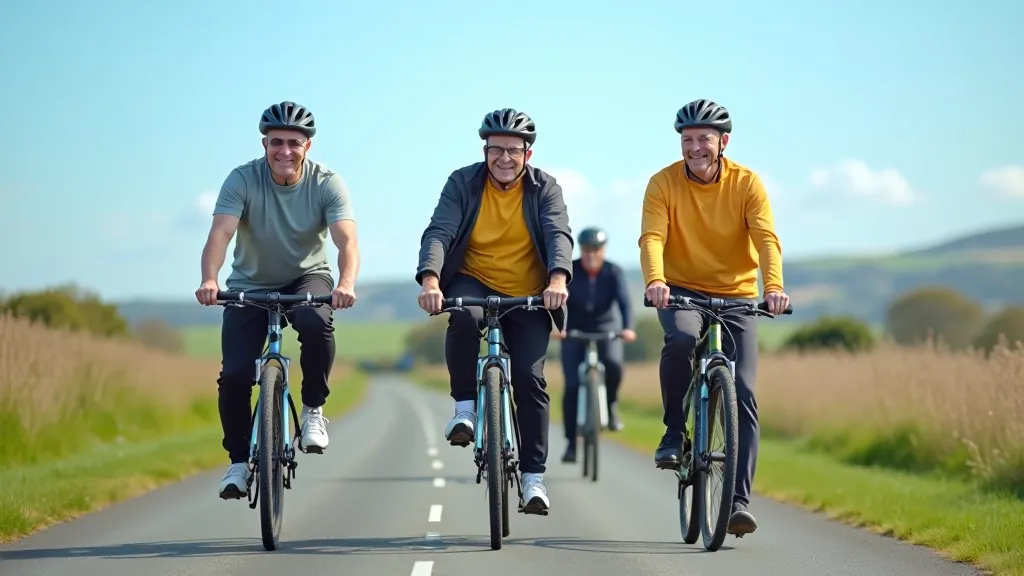
The right e-bike opens up cycling again for people who thought their riding days were behind them. It's not cheating — it's smart. You're still pedaling, still getting exercise, still enjoying the Irish countryside. You're just doing it without unnecessary struggle. That's what actually matters.